

A serious illness or injury can interrupt your ability to work and earn an income with little warning. That raises an important question: What is the difference between long-term and short-term disability insurance in California?
The simplest distinction is duration. Short-term coverage is designed to help replace income during a temporary absence from work, while long term disability insurance in California is intended for disabilities that last considerably longer. Understanding how the two work and how they can complement each other can help employees and employers make more informed benefits decisions.
The exact waiting periods, benefit percentages, definitions of disability, exclusions, and maximum benefit periods depend on the policy. Therefore, comparing policies based only on their advertised benefit percentage can be misleading.
How Does Short-Term Disability Insurance Work?
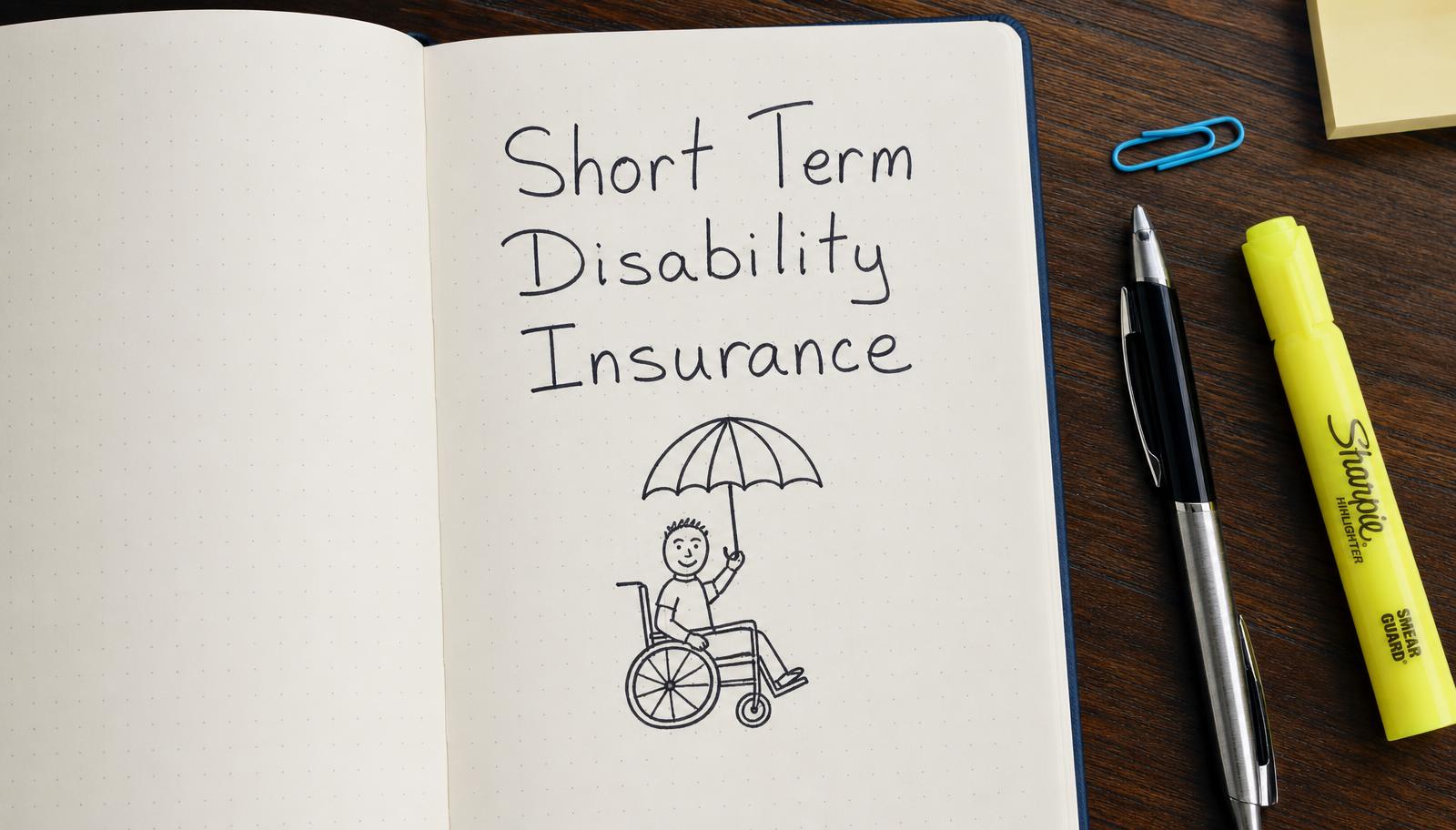
Short-term disability insurance is designed to provide income protection during a temporary period when an employee cannot work because of a covered disability.
A typical employer-sponsored plan may have a relatively short elimination period before benefits begin and may pay benefits for several months. The actual terms vary by contract.
Situations It May Address
Depending on the policy, short-term disability may apply to circumstances such as:
- Recovery after surgery
- Pregnancy and childbirth
- Injuries
- Illnesses requiring time away from work
- Other qualifying medical conditions
How Does Long-Term Disability Insurance Work?
Long-term disability insurance in California is intended for situations where an illness or injury keeps an employee from working for an extended period.
A long-term policy typically has a longer elimination period than short-term coverage. Once the waiting period is satisfied and the claim meets the policy's definition of disability, benefits may continue for years, depending on the contract.
Key Features to Examine
When reviewing a long-term policy, pay close attention to:
- Elimination period: How long you must remain disabled before benefits begin.
- Benefit percentage: The portion of covered income the policy replaces.
- Benefit duration: How long benefits can continue.
- Definition of disability: The circumstances under which the insurer considers you disabled.
- Exclusions and limitations: Conditions or situations the policy may not cover.
- Offsets: Whether other benefits can reduce the amount payable under the policy.
The California Department of Insurance recognizes disability income insurance as coverage that can provide income payments when earnings are interrupted because of illness, sickness, or accident.
Short-Term vs. Long-Term Disability Insurance: Key Differences
| Feature | Short-Term Disability | Long-Term Disability |
|---|---|---|
| Primary purpose | Temporary income protection | Extended income protection |
| Waiting period | Usually shorter | Usually longer |
| Benefit duration | Generally weeks to several months | Potentially years, depending on policy |
| Typical use | Short recovery periods | Serious or prolonged disabilities |
| Payment frequency | Commonly weekly | Commonly monthly |
| Coverage source | Individual or employer-sponsored | Individual or employer-sponsored |
| Policy-specific terms | Vary by plan | Vary by plan |
Do You Need Both Types of Disability Coverage?
For many workers, having both can create a more continuous income-protection strategy. Short-term disability insurance in California can address the initial period after a disability, while long-term coverage can take over after its longer elimination period.
However, having two policies does not automatically mean benefits will simply stack. Some plans coordinate benefits with other income sources or contain provisions that affect the amount payable.
What Should You Compare?
Before choosing coverage, consider:
- Your monthly financial obligations: Mortgage or rent, utilities, debt, and household expenses do not necessarily stop when income does.
- Emergency savings: A larger cash reserve may help cover an elimination period, but savings alone may not be sufficient for a prolonged disability.
- Existing employer benefits: Review what your workplace already provides before purchasing additional coverage.
- Your occupation: The financial impact of being unable to perform your specific work can differ substantially by profession.
- Policy definitions: The definition of disability can significantly affect whether a claim qualifies.
Should Employers Offer Disability Coverage?
For employers, disability benefits can form an important part of a broader employee benefits strategy. Group disability insurance in California may allow employees to access income-protection benefits through an employer-sponsored arrangement.
When evaluating a plan, employers should look beyond premium cost. Benefit design, eligibility, employee participation, waiting periods, portability, and communication all deserve attention.
Look at Disability Coverage as Part of a Larger Strategy
Disability protection is only one part of a company's overall risk-management and employee-benefits strategy. If you're evaluating broader coverage needs, our guide on Why Businesses Need a Commercial Insurance Broker in California discusses how businesses can evaluate coverage gaps and build a more coordinated insurance strategy.
Choosing the Right Coverage
There is no universal disability policy that works for every employee or employer. The right approach depends on income, occupation, existing benefits, financial obligations, policy terms, and the length of time someone could realistically manage without a paycheck.
The most useful comparison is not simply “short-term versus long-term.” Instead, look at how the coverage fits together, when benefits begin, how much income is replaced, how long benefits can continue, and what happens when other benefits are available.
Whether you're reviewing coverage for yourself or designing benefits for a workforce, Rice Insurance Benefits can help you evaluate disability coverage options with the broader benefits picture in mind.
Protect Your Income With an Informed Decision
Disability insurance is ultimately about protecting income when circumstances make working difficult or impossible. Understanding the differences between short-term and long-term coverage is the first step toward identifying potential gaps and choosing protection that aligns with your financial needs.
Key Takeaways
- Short-term disability is generally designed for temporary periods away from work, while long-term disability addresses more prolonged disabilities.
- California's state Disability Insurance program provides short-term wage replacement but should not automatically be treated as a substitute for private long-term coverage.
- Policy details such as elimination periods, benefit percentages, definitions of disability, exclusions, and benefit duration can significantly affect coverage.
- Reviewing both employer-sponsored and individual options can help identify potential income-protection gaps.
Want a custom plan built for your company?
Book a 20 minute call with Ross. No pressure, no obligation. You walk away with a clear picture of where you can save money, improve your package, and stay compliant.